Showing posts with label Waterfowl. Show all posts

Wednesday, August 28, 2013

TEAL SEASON KICKS OFF SEPT. 7

Teal may be the smallest duck, but they are a fast and challenging quarry for waterfowl hunters
PRATT ­– It’s waders and whistles, it’s the sound of the marsh waking up, it’s what Sept. 7, waterfowl hunters will be waiting.
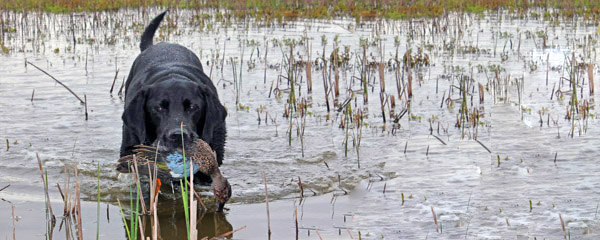
thousands of hunters around the state have been waiting for – it‘s teal season. An early migrant, teal are the first waterfowl to pass through Kansas each fall, and come
Using U.S. Highway 283 as a dividing line, Kansas is split up into two teal hunting zones: Low Plains and High Plains. The Low Plains Zone (anything east of U.S. Highway 283) will kick off the season Sept. 7, and run through Sept. 22, while the High Plains Zone (anything west of U.S. Highway 283) will open Sept. 14 and end Sept. 22.
As if recent rains filling the marshes weren’t enough of a bonus for early season waterfowl hunters, regulations now allow hunters to take six of these puddle ducks in a daily bag limit, a two-bird increase from the traditional early teal season daily bag of four. Also new this year, migratory bird possession limits have increased to three times the daily bag limit.
All hunters participating in teal season who are required to have a hunting license must also possess a Kansas HIP permit and State Waterfowl Permit. All hunters 16 and older must have a Federal Waterfowl Stamp. Hunters age 65-74 are reminded that they now need the state HIP permit and State Waterfowl Permit, in addition to the Federal Waterfowl Stamp. Kansas HIP permits and State Waterfowl Stamps can be purchased online at ksoutdoors.com, and Federal Waterfowl Stamps can be purchased at your local U.S. Post Office and Kansas Department of Wildlife, Parks, and Tourism regional offices.
For more information on migratory bird regulations, visit ksoutdoors.com and click “Hunting / Migratory Birds.”

Monday, July 23, 2012

DUCK POPULATIONS AT RECORD HIGHS

English: Lesser scaup pair from USFWS Source: ...
Lesser scaup pair
Trend continues for continent’s breeding ducks

WASHINGTON, DC — Although breeding habitat conditions have declined from previous years, the U.S. Fish and Wildlife Service’s (USFWS) 2012 "Trends in Duck Breeding Populations" report estimates breeding waterfowl numbers in North America's duck factory is at a record high. This year's estimate of 48.6 million breeding ducks is significantly higher than the 45.6 million birds estimated last year and 43 percent above the long-term average.

This annual report summarizes information about the status of duck populations and wetland habitats collected by wildlife biologists from the USFWS and the Canadian Wildlife Service for the “Waterfowl Breeding Population and Habitat Survey.” The survey samples more than 2 million square miles of waterfowl habitat across the United States and Canada.

Highlights from the survey in the northcentral United States, southcentral and northern Canada, and Alaska include the following population abundance estimates:

  • mallard -- 10.6 million, a 15 percent increase over 2011 and a 39 percent increase over the long-term average of 7.6 million;
  • gadwall -- 10 percent above the 2011 estimate and 96 percent above the long-term average;
  • American wigeon -- 3 percent above 2011, but remains 17 percent below the long-term average;
  • green-winged and blue-winged teal -- 3.5 million and 9.2 million, respectively, 20 percent and 3 percent above 2011 numbers. Both species continue to remain well above long-term averages by 74 percent and 94 percent, respectively;
  • northern shovelers -- 5.0 million, 8 percent above 2011 and 111 percent above the long-term average;
  • northern pintail -- 3.5 million, 22 percent below the 2011 estimate and 14 percent below the long-term average;
  • redhead -- unchanged from last year but 89 percent above the long-term average;
  • canvasback -- 0.8 million, 10 percent above last year's estimate and 33 percent above the long-term average; and
  • lesser and greater scaup -- 5.2 million, 21 percent above the 2011 estimate and 4 percent above the long-term average.

Habitat conditions observed across the survey areas during the 2012 Waterfowl Breeding Population and Habitat Survey were characterized by average to below-average moisture, especially in the southern portions, due primarily to a mild winter and an early spring.

The 2012 survey's estimate of ponds for the northcentral U.S. was 1.7 million, 49 percent below the 2011 estimate of 3.2 million and similar to the long-term average. Significant decreases in wetland numbers and conditions occurred in the U.S. Prairies during 2012. Nearly all of the northcentral U.S. habitat was rated as good to excellent in 2011; however, only the habitat in the coteau region of North and South Dakota was rated as good in 2012, and no areas were rated as excellent habitat this year. Severe wetland declines in western South Dakota and Montana resulted in mostly poor to fair habitat conditions.

The annual survey guides USFWS waterfowl conservation programs under authority of the 1918 Migratory Bird Treaty Act. The USFWS works in partnership with state biologists from the four flyways – the Atlantic, Mississippi, Central and Pacific – to establish regulatory frameworks for waterfowl hunting season lengths, dates, and bag limits, derived in part from the data gathered through this annual survey. Using these frameworks as guides, the Kansas Wildlife, Parks and Tourism Commission will establish the 2012-2013 waterfowl seasons and bag limits at its August 23 meeting. The meeting will be conducted at the Kansas Wetland Education Center, 592 NE K-156 Highway, Great Bend, with the afternoon session beginning at 1:30 p.m. Waterfowl seasons will be discussed at the Public Hearing portion of the meeting, which will begin at 7 p.m.

Wednesday, February 22, 2012

MARAIS DES CYGNES WILDLIFE AREA HAS BANNER YEAR

English: crop of File:Bgforhunting.jpg Taken b...
Image via Wikipedia

Record duck harvest recorded despite dry year
PLEASANTON — Marais des Cygnes Wildlife Area, near the Missouri border in Linn County, reported a record breaking-year for waterfowl hunters in the 2011-2012 season. Duck hunters reported harvesting more than 8,300 ducks during the 74-day season, shattering the old record of 6,220 in 1997. Duck hunters made 5,160 trips to the wildlife area, bagging an average of 1.6 ducks per hunter trip.
“The hunter success rate we had in the 2011-2012 season is particularly remarkable when one considers the hot, dry summer we had,” says area manager Karl Karrow. “Marsh vegetation that provides habitat for ducks does not produce well under the conditions we had during last year’s growing season, so we used additional management tools — notably pumping water to irrigate marsh plants during the summer — to provide good habitat. And relatively mild weather this winter didn’t freeze the wetlands. That was a huge factor.”
Nearly 70 percent of ducks harvested were mallards, a species prized by hunters. Green-winged teal were a distant second, comprising only 10 percent of ducks harvested.
“While this is great news for hunters,” Karrow adds, “this is also important to communities near the wildlife area. Most duck hunters come from outside of the local area, and traveling hunters spend money on gas, food, and other supplies at local stores. We saw hunters from North Carolina, Alabama, Iowa, and other states. Any activity that brings more than 5,000 visitors to the area helps the local economy.”
In addition to the regular duck season, early teal season and goose seasons provide opportunities for waterfowl hunters on Marais des Cygnes Wildlife Area. For more information, phone Karrow at 913-352-8941, or visit KDWPT’s website,ksoutdoors.com, and click on “Hunting/Where To Hunt In Kansas.”

Friday, December 2, 2011

KDWPT OFFERS CHRISTMAS SHOPPING ONLINE


Kansas Wildlife & Parks magazine, videos, early license sales among many offerings
PRATT — Looking for the perfect gift for the outdoorsman or woman in your family? The Kansas Department of Wildlife, Parks and Tourism (KDWPT) is the place to start. The agency offers great gifts for hunters, anglers, park users, and other outdoor enthusiasts — or friends and families looking for gift ideas — and makes “outdoor” shopping an online experience.
License bargain sales begin Dec. 15, when all 2012 KDWP licenses, permits, and other issues go on sale and are valid for the remainder of 2010 and all of 2012, adding more than two weeks to their value. This includes hunting, fishing, and park licenses and permits. Licenses and permits can be purchased online, as well.
One of the best bargains is a resident multi-year youth hunting and/or fishing license, which provides convenience and savings for young hunters and anglers. The youth licenses are available for resident youth age 16 through 20. After purchasing the multi-year license, no hunting or fishing license will have to be purchased until the person turns age 21. The one-time purchase, multi-year youth fishing or hunting license is $40. A one-time purchase multi-year youth fishing/hunting combination license is $70.
A perennial favorite is Kansas Wildlife & Parks magazine. Each issue is packed with the latest information on fishing, hunting, state parks, and wildlife watching, all highlighted by spectacular color photographs. And the January/February photo issue features some of the finest wildlife photography in nation. Subscriptions may be purchased at KDWPT offices or online at www.kdwpt.state.ks.us. Simply click "Other Services" then "Publications" then "Magazine.”
Another popular shopping spot is the KDWPT Outdoor Store. At the KDWPT website, click "Service" then "Outdoor Store.” This will take the shopper to a PDF order form. Using this form, shoppers can choose from a selection of 30 wildlife books and 10 VHS videos, including Birds In Your Backyard, The Channel Catfish Story, Deer In Kansas, Do Your Part, Kansas Waterfowl: the Puddle Ducks, Pheasants In Cropland, Shorebirds Of Kansas, The Wild Turkey Story, Wingshooting Basics, and Upland Bird Hunters Guide. DVD offerings include Better Birdwatching In Kansas & Nebraska, Birds In Your Backyard, Kansas Waterfowl: the Puddle Ducks, Outdoor Kansas Wonders, and Shorebirds Of Kansas. In addition, the Outdoor Store offers T-shirts, rain jackets, hats, and other miscellaneous items.
Other great gift ideas can be found on TravelKS.com, including the 156-page, hard-bound book,My Kansas, a photographic journey of Kansas. And you can subscribe to KANSAS! magazine, a quarterly, full-color publication that features the amazing attractions that make Kansas a great place to live.

Tuesday, September 27, 2011

YOUTH WATERFOWL, LATE-MIGRATING DUCK SEASONS FLYING IN

Waterfowl CountryImage by outdoorPDK via Flickr
Despite dry weather, high duck numbers should draw hunters
PRATT — The summer of 2011 will be remembered in Kansas as one of the driest, hottest on record, and much of Kansas still needs rain this fall. However, high duck numbers will still provide hunters with options, and the early youth waterfowl seasons are just around the corner. Kansas Department of Wildlife, Parks and Tourism (KDWPT) staff at state waterfowl management areas are working hard to provide hunting opportunities, pumping available water into hunting pools.
As of Sept. 20, the following wildlife areas reported fair to good hunting conditions:
Northwest/Northcentral Kansas
Cedar Bluff — Fair
Glen Elder — Fair
Jamestown — Good
Norton — Fair
Wilson — Good
Northeast Kansas
Benedictine Bottoms — Good
Perry — Good
Tuttle Creek — Fair
Southwest Kansas
Cheyenne Bottoms — Good
Isabel — Fair
Texas Lake — Fair
Central Kansas
Council Grove — Fair
Southcentral Kansas
Elk City — Fair
Fall River — Good
Marais des Cygnes — Good
Melvern — Fair
Toronto — Good
Pomona — Fair
Quivira National Wildlife Refuge, near Stafford, reported that the only open water within the area’s hunting zones is in Units 10 and 11 in the Reno County section of the refuge.
Duck season dates and zones include the following:
  • Youth High Plains Zone — Oct. 1-2;
  • Youth Low Plains Early Zone — Oct. 1-2;
  • Youth Low Plains Late Zone — Oct. 22-23;
  • Youth Low Plains Southeast Zone — Oct. 22-23;
  • High Plains Zone — Oct. 8-Jan. 2, 2012, and Jan. 21-29, 2012;
  • Low Plains Early Zone — Oct.8-Dec.4, and Dec. 17-Jan. 1, 2012;
  • Low Plains Late Zone — Oct. 29-Jan. 1, 2012, and Jan. 21-29, 2012; and
  • Low Plains Southeast Zone — Nov. 5-Jan. 8, 2012, and Jan. 21-29, 2012.
The Low Plains Southeast Zone, roughly the southeastern one-quarter of the state, is new for 2011-2012 and should provide excellent late-season hunting in this part of the state.
During youth seasons, hunters 15 and younger may take ducks, geese, coots, and mergansers while hunting under the supervision of an adult 18 years or older. The adult may not hunt.
In both youth and regular seasons, six ducks is the daily bag limit, which may include no more than one canvasback, two redheads, two pintails, two scaup, three wood ducks, and five mallards (only two of which may be hens). The daily bag may comprise six of any other duck, such as six teal, six gadwall, or six wigeon.
Depending on rainfall, good hunting may be found in many other areas of the state, both public and private. For weekly updates on public waterfowl management areas, visit the KDWPT website,www.kdwpt.state.ks.us, and click “Hunting/Migratory Birds/ Waterfowl Reports."
For a detailed map of the duck zone boundaries and other regulations, pick up a copy of the 2011 Kansas Hunting and Furharvesting Regulations Summary, available at all Kansas Wildlife, Parks and Tourism offices and most license vendors, or download the booklet from the KDWPT website.

Wednesday, September 7, 2011

TEAL SEASON BEGINS SEPT. 10

The Blue-winged Teal is the commonest of the m...Image via Wikipedia
Blue-winged teal migrating in record numbers
PRATT — The first waterfowl that hunters may pursue each year are teal, and their numbers are generally high. But this year is better than ever. The U.S. Fish and Wildlife Service reports that blue-winged teal numbers are 91 percent above their long-term average (a record), and green-winged teal numbers, although down from last year, are still 47 percent above their long-term average. This could make for good hunting in the Sunflower State's two September teal hunting zones. A dry, hot summer has dried up many areas of the state, but there should still be plenty of good hunting in many areas. Weekly waterfowl reports on the Kansas Department of Wildlife, Parks and Tourism’s website, www.kdwpt.ks.us, will begin Sept. 1.
In the Low Plains Zone (all of Kansas east of Highway 283), the season runs Sept. 10-25. In the High Plains Zone (west of Highway 283), the season runs Sept. 17-25.
The daily bag limit is four teal with a possession limit of eight. All waterfowl hunters 16 and older must have a federal Migratory Bird Hunting and Conservation Stamp, and all hunters who are required to obtain a license must also have a Kansas State Waterfowl Habitat Stamp and a Kansas Harvest Information Program (HIP) stamp before attempting to take ducks, geese, or mergansers. (Those not required to have a Kansas hunting license include people hunting their own land and residents 15 and younger or 65 and older.)
Enhanced by Zemanta

Sunday, September 4, 2011

FAILED CORN CROP MANIPULATION MAY MAKE FIELDS OFF-LIMITS TO WATERFOWL HUNTING

Logo of the United States Fish and Wildlife Se...Image via Wikipedia
U.S. Fish and Wildlife Service issues guidelines, warning
TOPEKA — With the recent failed corn crops in Kansas due to this year’s drought, the U.S. Fish and Wildlife Service (USFWS) reminds all hunters and landowners of federal waterfowl hunting regulations concerning crop manipulation (baiting). Farm producers who use their land for hunting or lease the hunting rights on their land need to make sure they are following federal waterfowl hunting regulations concerning baiting.
“With the drought and heat conditions in Kansas this year and the failed corn crops in parts of Kansas, farmers are looking to manipulate some crops to prepare the fields for next year,” says Kenny Kessler, USFWS special agent.
“As a waterfowl hunter or land manager, it is your responsibility to know and obey all federal and state laws that govern the sport. While it is permissible to manipulate a crop for dove hunting, the only legal hunting that can occur for waterfowl is if, under these circumstances, the crop is ‘normally’ harvested,” Kessler explains. “Rotary mowing of a corn crop, for example, would not be a ‘normal’ harvest, and therefore, hunting waterfowl would not be allowed on or near the areas manipulated.”
Hunters should avoid hunting waterfowl over unharvested crops that have been trampled by livestock or subjected to other types of manipulations, such as disked down crops where grain has better scattered or exposed. Areas where grain is present and stored, such as grain elevators and grain bins, are illegal to hunt waterfowl over, as are areas where grain is present for the purpose of feeding livestock. Additionally, hunting over freshly planted wildlife food plots that contain exposed grain is illegal. Finally, it’s illegal to hunt croplands where a crop has been harvested and the removed grain is redistributed or “added back” onto the area where grown.
On the other hand, waterfowl hunting is allowed in fields of unharvested standing crops, including over standing crops that have been flooded. It’s also permissible to flood fields after crops are harvested and use these areas for waterfowl hunting. It’s advisable for landowners to follow normal harvesting timelines if corn fields are planned to be used for hunting waterfowl.
For additional information, see Waterfowl Hunting and Baiting, and Dove Hunting and Baiting on the USFWS website, www.fws.gov or contact Kessler at 785-232-5149 or Wichita, KS, at 316-788-4474.

Enhanced by Zemanta

Friday, August 19, 2011

NEOSHO WILDLIFE AREA TO HOST WATERFOWL INFORMATION MEETING AUG. 25

Map of USA with Kansas highlightedImage via Wikipedia
Management, waterfowl outlook, regulations changes will be discussed

ST. PAUL — On Aug. 25, the Kansas Department of Wildlife, Parks and Tourism will conduct a public meeting to discuss the past, present, and future management of Neosho Wildlife Area. The meeting will be held at 6:30 p.m. at the Osage Mission Neosho County Museum in St. Paul. The public is encouraged to attend.

Topics of discussion will include habitat conditions at the wildlife area, expected fall flight forecast, final results of the 2010 waterfowl season, changes to waterfowl zones and regulations for this season, and management plans for the future.

The special early teal season runs Sept. 10-25, and the opening date for the regular waterfowl season is Nov. 5 in the Low Plains Southeast Unit, which encompasses Neosho Wildlife Area. More details on duck units and waterfowl dates will be discussed at the meeting.

For more information, phone 620-449-2539.

Enhanced by Zemanta

Wednesday, December 15, 2010

YOUTH WATERFOWL HUNTS SCHEDULED FOR MEADE STATE PARK

Male mallard duckImage via Wikipedia
Four January events planned; Dec. 31 application deadline
MEADE — In January, Lake Meade State Park and the Kansas Department of Wildlife and Parks will host four youth waterfowl hunts. Hunts will take place on a Saturday and will begin in the early morning. All participants will be required to attend a pre-hunt meeting.
Youth ages 8 through 15 are eligible for this hunt, which is designed to introduce waterfowl hunting to new or inexperienced hunters. KDWP employees will be on hand to assist in each hunt, which will include as few as two hunters. Previous hunting experience is not required, and arrangements will be provided to applicants who do not have access to their own equipment. An adult parent or guardian will be required to attend, but the adult may not hunt.
To participate, submit a 4-inch by 6-inch card with the name of youth, the name of parent or guardian attending, address, and phone number to Meade State Park, 13051 V Rd., Meade, KS 67864. All Applications must be post marked by Dec. 31. For more information, phone the Meade State Park Office at 620-873-2572 (8 a.m.-5 p.m., Monday-Friday).

Enhanced by Zemanta